
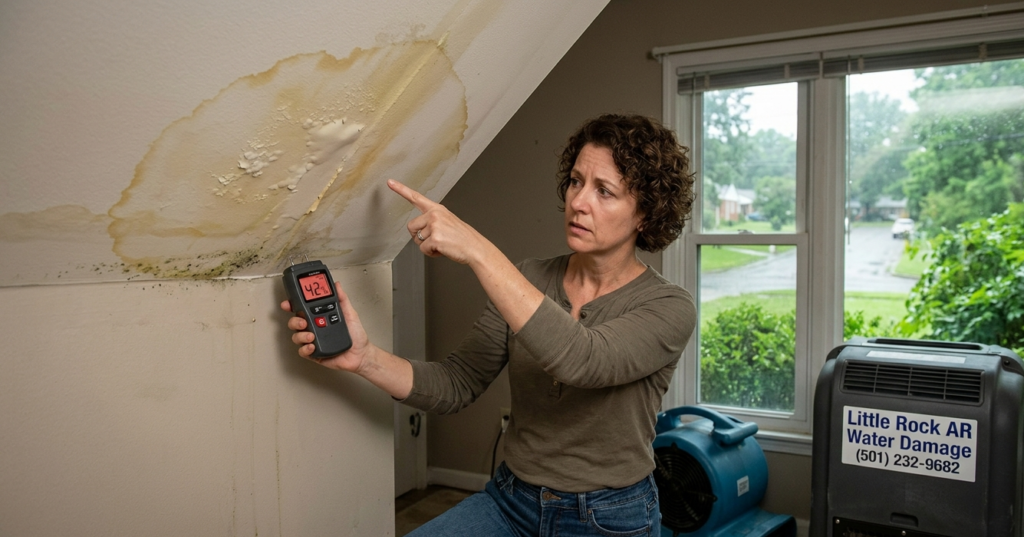
Water damage can strike unexpectedly, turning a minor spill into a major headache for homeowners in Little Rock. Whether it’s from a burst pipe, heavy rains, or a leaky roof, ignoring the signs can lead to structural issues, mold growth, and skyrocketing repair costs. At Little Rock AR Water Damage, we’ve responded to countless calls from residents in areas like Downtown and Midtown, where humid Arkansas weather exacerbates the problem. This guide empowers you to spot serious water damage early, saving time, money, and stress. We’ll break down the warning signs, provide practical assessment steps, and highlight pitfalls to avoid, so you can decide if it’s a DIY fix or time to call professionals.
Signs That Indicate Serious Water Damage
Understanding the difference between superficial moisture and severe water intrusion is crucial for protecting your property. Water damage becomes serious when it penetrates beyond the surface, affecting structural elements like walls, floors, and foundations. This can compromise your home’s integrity and create health hazards, such as mold proliferation in Little Rock’s warm, moist climate.
What exactly makes water damage serious? It occurs when water seeps into building materials that aren’t designed to handle prolonged exposure, leading to weakening, warping, or decay. For instance, drywall absorbs water like a sponge, and once saturated, it loses strength and can harbor bacteria. Wood framing, common in many Little Rock homes, swells and rots if not addressed promptly. The “why” is simple: unchecked water promotes microbial growth and corrosion, potentially costing thousands in repairs.
To help you identify these issues, here are key signs broken down for easy scanning:
- Visible Discoloration or Staining: Look for yellow, brown, or black spots on walls, ceilings, or floors. These aren’t just cosmetic; they signal water has infiltrated porous surfaces. In our experience at Little Rock AR Water Damage, we’ve seen this often after summer storms, where roof leaks cause ceiling stains that hide extensive attic damage.
- Warping or Buckling Materials: If floors feel spongy, doors stick, or walls bow, it’s a red flag. This happens as wood and drywall expand with moisture, indicating deeper penetration. Serious cases involve load-bearing elements, risking collapse.
- Musty Odors or Mold Growth: A persistent damp smell or visible mold patches means water has lingered long enough for fungi to thrive. Mold can spread quickly in humid environments, posing respiratory risks to your family.
- Peeling Paint or Blistering: Water trapped under paint causes it to bubble or flake. This is common in basements after pipe leaks, signaling ongoing moisture issues.
- Soft or Crumbling Drywall: Press gently on affected areas—if it crumbles or feels mushy, water has compromised its structure. This often requires full replacement to prevent further deterioration.
- Increased Humidity or Condensation: Rooms feeling unusually clammy or windows fogging indoors point to hidden leaks, like from A/C unit drain overflows, which are prevalent in our hot Arkansas summers.
These indicators aren’t always obvious at first glance, but addressing them early prevents escalation. For example, what starts as a small bathroom leak can spread to electrical systems, creating fire hazards. In Little Rock, where flash floods from the Arkansas River are common, vigilance is key. If you notice multiple signs, it’s likely serious—don’t delay inspection.
Step-by-Step Guide to Assessing Water Damage at Home
Assessing water damage yourself can give you peace of mind, but proceed with caution to avoid worsening the situation. This how-to section provides actionable steps tailored to Little Rock’s unique challenges, like frequent thunderstorms and older housing stock in neighborhoods such as Riverdale. Local building codes, enforced by the City of Little Rock, emphasize quick mitigation to prevent mold, so knowing when to act is essential.
Start by ensuring safety: Turn off electricity in affected areas to avoid shocks, and wear protective gear like gloves and a mask. Arkansas humidity can accelerate mold, so time is critical.
Here’s a practical checklist to evaluate severity:
- Document the Extent: Take photos and notes of all visible damage. Measure the affected area—anything over 10 square feet often requires professional intervention. In Little Rock’s clay-heavy soil, foundation shifts from water can amplify issues in homes built pre-1980s.
- Check for Moisture Levels: Use a moisture meter (available at hardware stores) on walls and floors. Readings above 15-20% indicate serious saturation. Probe with a screwdriver; if it sinks in easily, materials are compromised.
- Inspect Hidden Areas: Look behind baseboards, under carpets, and in attics or crawlspaces. Water often travels unseen. For instance, leaks from aging pipes in Rock Creek homes can pool undetected.
- Test for Mold and Structural Integrity: Sniff for mustiness and tap walls for hollow sounds, which suggest weakening. If you see black mold or hear creaking, it’s serious-evacuate if needed.
- Evaluate Water Source and Duration: Fresh water from a clean source (like a pipe) is less urgent than sewage or floodwater, which carry contaminants. If damage has persisted over 48 hours, assume it’s severe due to bacterial growth.
Local factors play a big role: Little Rock’s subtropical climate means even minor roof damage from hail can lead to attic flooding. Regulations require proper ventilation to combat humidity, so check your HVAC system too.
Pro Tip: An insider secret from our team-always check baseboard heaters or vents near water sources. In many Little Rock restorations, we’ve found hidden damage here that could lead to electrical fires if ignored. Use a flashlight and hygrometer for a thorough scan.
By following these steps, you’ll gauge if it’s minor (surface drying) or serious (structural involvement). If unsure, consult experts to comply with local codes and insurance requirements.
Common Mistakes to Avoid When Dealing with Water Damage
Homeowners in Little Rock often underestimate water damage, leading to bigger problems down the line. One frequent error is delaying action, thinking a fan or dehumidifier will suffice. In reality, surface drying doesn’t reach hidden moisture, allowing mold to fester in walls— we’ve seen cases where a week’s delay turned a $500 fix into $5,000 due to structural rot.
Another pitfall: Ignoring the source. Patching visible damage without fixing the leak, like a faulty A/C drain, invites recurrence. This not only risks financial loss from repeated repairs but also safety hazards, such as electrical shorts in damp areas.
DIY overreach is common too. Attempting to cut out wet drywall without proper containment spreads contaminants, violating Little Rock health codes and potentially voiding insurance. The risks? Health issues from mold exposure, especially for kids or elderly, and legal fines for improper disposal.
Finally, skipping professional assessment after floods. Arkansas River overflows contaminate water, requiring specialized cleanup. Neglecting this can lead to toxic buildup, health crises, and denied claims—costs that far outweigh initial professional fees.
Avoid these by acting swiftly and seeking help early. At Little Rock AR Water Damage, we emphasize prevention to safeguard your investment.
Conclusion
Spotting serious water damage boils down to recognizing signs like discoloration, odors, and structural changes, then assessing thoroughly while avoiding delays or incomplete fixes. By staying vigilant-especially in Little Rock’s flood-prone environment-you protect your home and health.
If these steps reveal concerning issues or you’d rather leave it to pros, Little Rock AR Water Damage is here to help. Our experienced team handles everything from detection to restoration.
Leave a Reply