
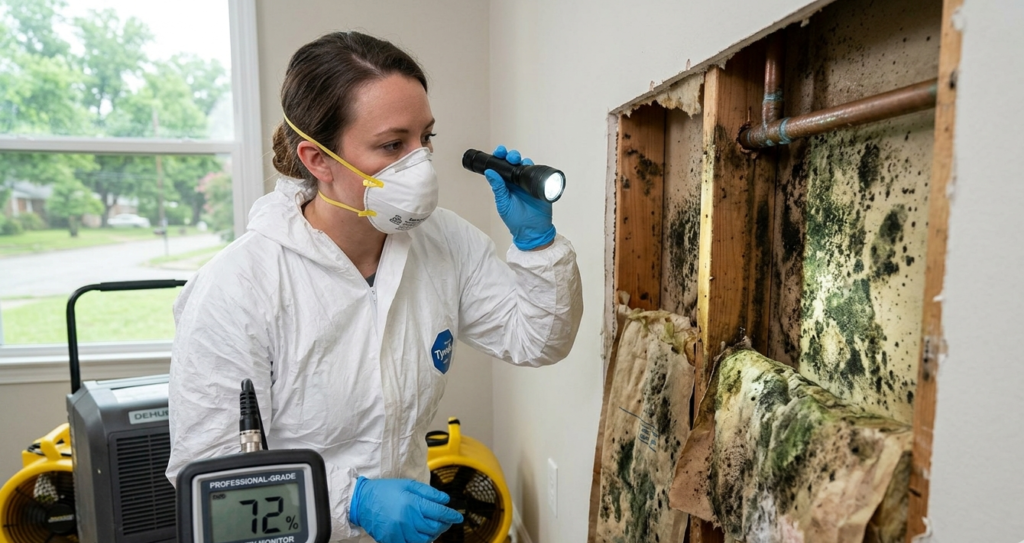
Imagine returning home after a heavy rainstorm in Little Rock to find water pooling in your basement or seeping through the walls. The immediate concern is drying things out, but lurking beneath the surface is a silent threat: mold. Water damage can turn your safe haven into a health hazard faster than you might think. At Little Rock AR Water Damage, we’ve responded to countless calls from homeowners in areas like Midtown and Riverfront facing this exact issue. Mold growth isn’t just unsightly; it can lead to respiratory problems, structural damage, and expensive repairs if ignored. In this post, we’ll break down the rapid timeline of mold development post-water damage and equip you with the knowledge to act swiftly. Whether it’s a burst pipe or flood aftermath, understanding this process empowers you to protect your property and family. Stay tuned for practical steps tailored to our humid Arkansas climate.
Understanding the Rapid Timeline of Mold Growth After Water Damage
Mold is a type of fungus that thrives in moist environments, and water damage provides the perfect breeding ground. But how quickly does it actually start growing? The answer depends on several factors, including temperature, humidity, and the type of surface affected, but the process can begin astonishingly fast.
In ideal conditions—warm temperatures around 77°F (25°C) and humidity above 60%—mold spores, which are always present in the air, can begin to colonize damp areas within 24 to 48 hours. This initial phase, known as germination, sees spores absorbing moisture and starting to form hyphae, thread-like structures that penetrate surfaces. By day three, visible mold might appear as fuzzy patches, especially on porous materials like drywall or carpet. If left unchecked, it spreads exponentially; within a week, colonies can cover large areas, releasing millions of spores that contaminate the air and nearby spaces.
Why does this happen so quickly? Water damage saturates materials, creating a nutrient-rich, oxygen-available environment for mold. Organic matter in wood, paper, or fabrics feeds the growth. In Little Rock’s subtropical climate, with our hot, humid summers and occasional flooding from the Arkansas River, these conditions are all too common. Poor ventilation in older homes exacerbates the issue, trapping moisture and accelerating proliferation.
To illustrate the stages:
- 24 Hours: Spores activate and begin multiplying on wet surfaces. No visible signs yet, but the clock is ticking.
- 48 Hours: Early colonization; slight musty odor may emerge. This is the critical window for intervention.
- 72 Hours to 1 Week: Visible growth appears, often black, green, or white patches. Allergens and mycotoxins start releasing.
- Beyond 1 Week: Extensive spread, potential structural weakening, and health risks intensify.
In our experience at Little Rock AR Water Damage, we’ve seen mold take hold even faster in attics or crawl spaces after A/C unit drain overflow, where hidden moisture lingers. Technical terms like "mycelium" (the vegetative part of the fungus) or "efflorescence" (salt deposits from drying) might sound complex, but they boil down to one thing: moisture equals mold. By demystifying this, we’re helping you recognize the urgency. Delaying action not only amplifies damage but can void insurance claims if growth exceeds safe thresholds set by industry standards like those from the IICRC (Institute of Inspection, Cleaning and Restoration Certification).
Understanding these dynamics is key to prevention. For instance, in homes with wood framing common in Hillcrest Heights, mold can burrow deep, requiring professional extraction. Knowledge like this positions you to respond effectively, minimizing long-term costs.
Actionable Steps to Prevent and Address Mold Growth After Water Damage
Acting fast is your best defense against mold after water damage. Here’s a step-by-step guide tailored for Little Rock residents, considering our local weather patterns—frequent thunderstorms and high humidity that can prolong drying times—and building codes that emphasize quick remediation to avoid health code violations.
-
Assess and Stop the Source: Immediately identify and halt the water intrusion. Turn off your main water supply for pipe leaks or shut down faulty appliances. In flood-prone areas like John Barrow, check sump pumps and gutters first.
-
Extract Water Promptly: Use wet-dry vacuums or pumps to remove standing water. For deeper saturation, call for emergency water extraction services. Aim to extract within the first hour to keep saturation below 15%.
-
Dry Thoroughly: Set up dehumidifiers and high-velocity fans to circulate air. In Little Rock’s variable climate, monitor with a moisture meter—target below 16% on surfaces. This might take 48-72 hours, but it’s crucial to disrupt the 24-hour mold window.
-
Clean and Disinfect: Once dry, scrub non-porous surfaces with a bleach solution (1 cup bleach per gallon of water). For porous items, discard if heavily contaminated. Use HEPA vacuums to capture airborne spores.
- Inspect for Hidden Damage: Don’t forget attics, walls, and HVAC systems. A professional water damage inspection can reveal concealed issues, especially in older ranch-style homes prevalent in West Markham.
Local factors play a big role: Arkansas’s red clay soil retains moisture, leading to basement issues, while summer heat speeds evaporation but also mold if not managed. Regulations from the Arkansas Department of Health require mold remediation for rentals, so compliance protects landlords too.
Pro Tip: An insider secret from our team: Apply a borate-based solution during cleanup. It’s a natural antifungal that penetrates wood better than bleach, preventing regrowth in humid conditions like ours. Test a small area first to avoid discoloration.
By following these steps, you can halt mold in its tracks. For businesses, quick action preserves inventory and avoids downtime—vital in our growing commercial hubs. Remember, DIY works for minor incidents, but extensive damage demands pros to ensure safety and thoroughness.
Common Mistakes Homeowners Make with Mold Growth After Water Damage
When water damage occurs, panic can lead to errors that worsen mold proliferation and costs. One frequent mistake is ignoring the issue, thinking "it’ll dry on its own." In Little Rock’s humid environment, this allows mold to establish within days, leading to health risks like asthma flare-ups or allergic reactions from mycotoxins. Financially, unchecked growth can escalate repair bills from hundreds to thousands, as mold weakens drywall and insulation, potentially requiring full replacements.
Another pitfall: Inadequate drying. Homeowners often use household fans instead of industrial dehumidifiers, leaving residual moisture that fuels hidden mold in walls or subfloors. This not only spreads spores via HVAC systems but can lead to structural rot, compromising your home’s integrity and safety—imagine a weakened beam during a storm.
Relying on surface cleaners without addressing the source is common too. Spraying bleach on visible mold might kill surface growth, but it doesn’t penetrate porous materials, allowing deeper colonies to thrive. In our area, with frequent A/C overflows, this mistake contaminates air ducts, circulating allergens throughout the house.
Delaying professional help is risky; insurance often covers prompt action, but procrastination can result in denied claims if mold exceeds 10 square feet. Safety-wise, disturbing large colonies without PPE releases spores, endangering respiratory health, especially for kids or the elderly.
Avoid these by prioritizing extraction, drying, and inspection. At Little Rock AR Water Damage, we’ve mitigated these errors for countless clients, saving them from escalating disasters.
Wrapping Up: Protect Your Little Rock Home from Rapid Mold Growth
Water damage demands immediate attention to curb mold, which can emerge in as little as 24 hours under the right conditions. Key takeaways include stopping the water source, thorough drying within 48 hours, proper cleaning, and professional inspections to catch hidden threats. In Little Rock’s climate, these steps are non-negotiable to prevent health hazards and costly repairs.
While DIY efforts help for small incidents, complex cases benefit from expert intervention. At Little Rock AR Water Damage, our certified team uses advanced tools to restore your property safely and efficiently. We’ve helped families across Riverfront and beyond reclaim their homes without compromise. Learn more about our about us story and commitment to the community.
Need help with how quickly does mold grow after water damage in Little Rock? Call Little Rock AR Water Damage today at (501) 232-9682.
Leave a Reply