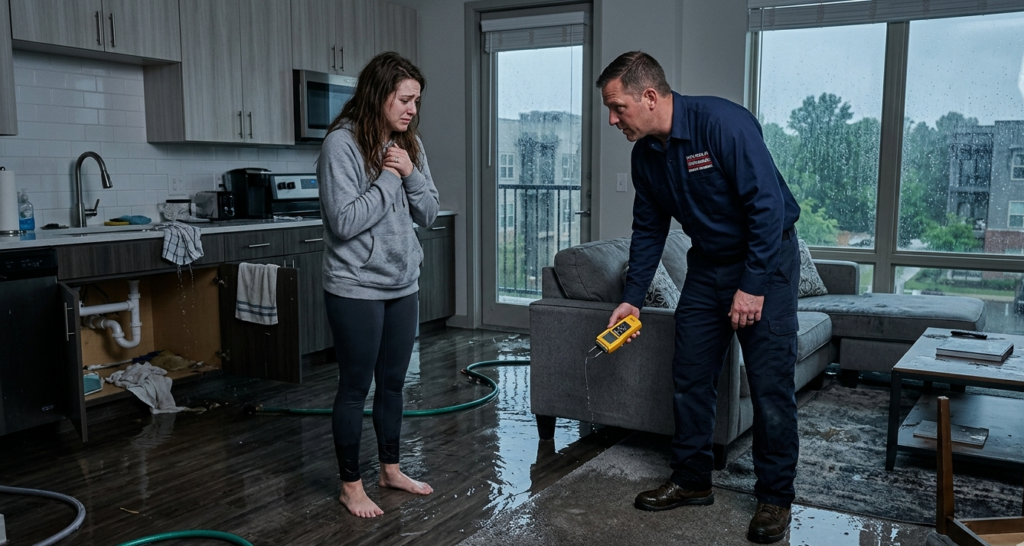
Imagine coming home to a soaked apartment floor after a neighbor’s pipe bursts, ruining your furniture and electronics. Water damage from leaks is a renter’s nightmare, especially in humid Little Rock where sudden storms can exacerbate plumbing issues. But does your renters insurance have you covered? Many tenants assume it does, only to face unexpected out-of-pocket costs. At Little Rock AR Water Damage, we’ve helped countless renters navigate these claims in our community, from quick fixes to full restorations. In this guide, we’ll break down exactly what renters insurance covers for water leaks and damage, highlight common pitfalls, and share practical steps to protect yourself. Whether it’s a slow drip or a major flood, understanding your policy can save you time, money, and stress. Let’s get into the details so you can rent with confidence.
Understanding Renters Insurance Coverage for Water Leaks and Damage
Renters insurance, often called HO-4 policy, is designed to protect your personal belongings and liability as a tenant, but its coverage for water-related issues isn’t always straightforward. At its core, it typically covers sudden and accidental water damage from leaks inside your unit, like a burst pipe or overflowing toilet, but excludes gradual leaks or damage from external sources like roof failures, which fall under the landlord’s responsibility.
To clarify, water damage falls into categories based on the source:
- Sudden and Accidental Internal Leaks: Yes, covered. This includes damage from your dishwasher, washing machine hose rupture, or a faucet left running. Your policy’s personal property coverage reimburses for ruined items up to your policy limit, often after a deductible.
- Flooding from Outside: No, not covered. Standard renters insurance doesn’t handle floodwater from heavy rains or sewer backups; you’d need separate flood insurance through the National Flood Insurance Program.
- Landlord’s Negligence: Generally excluded. If the leak stems from poor maintenance, like an old building pipe, the landlord’s property insurance should cover structural repairs, while yours handles your belongings.
- Negligible Wear and Tear: Excluded. Slow leaks from aging fixtures aren’t sudden, so they’re not claimable.
Why does this matter? Water damage can spread quickly, leading to mold growth and health hazards if not addressed promptly. Policies vary by insurer, so review your declarations page for specifics like water backup endorsements, which add protection for sewer or sump pump failures for an extra premium.
In our experience at Little Rock AR Water Damage, we’ve seen policies differ widely—some cover up to $10,000 for water damage, while others cap at $5,000 without add-ons. Local factors like Arkansas’s frequent thunderstorms increase claims, making it essential to understand endorsements. For instance, if you’re in a rental in the Reservoir area, where older apartments are common, opting for broader coverage can prevent disputes. Always document damage with photos and notify your landlord immediately to start the claims process. This knowledge empowers you to file accurate claims and minimize losses.
Practical Tips for Protecting Against Water Leaks as a Renter
As a renter in Little Rock, staying proactive about water leaks can prevent disasters and ensure your insurance works for you when needed. Start by inspecting your space regularly—check under sinks, around toilets, and behind appliances for early signs of moisture. In our humid climate, even minor drips can lead to major issues during summer rains.
Here’s how to safeguard your rental:
- Know Your Policy Inside Out: Request a copy from your insurer and highlight water damage sections. Ask about add-ons like water backup coverage, especially if your building lacks modern plumbing.
- Preventive Maintenance: Test shut-off valves monthly and use drip pans under fridges or washers. In Little Rock’s variable weather, secure windows and doors to avoid rain intrusion.
- Emergency Response Plan: Keep a kit with towels, buckets, and a plunger handy. If a leak occurs, shut off the water supply immediately to limit damage—most apartments have main valves in the utility closet.
- Document Everything: Snap photos of pre-existing conditions during move-in and report issues to your landlord in writing. This protects you from liability disputes.
- Local Considerations: Arkansas regulations require landlords to maintain habitable conditions, but enforcement varies. In areas like Pinnacle Valley, with its mix of apartments and townhomes, seasonal flooding from the Arkansas River can complicate claims—consider elevating valuables.
Pro Tip: An insider secret from our team: Install affordable water leak detectors (under $20) near high-risk areas like bathrooms. They alert your phone to moisture, allowing quick action before insurance becomes necessary. This simple step has saved many Little Rock renters from mold infestations.
If damage does occur, contact your insurer within 24-48 hours and consider a water damage inspection to assess hidden issues. For carpet affected by leaks, professional carpet water damage restoration ensures thorough drying and prevents odors. These habits not only reduce claims but also extend your policy’s effectiveness.
Common Mistakes Renters Make with Water Damage and Insurance
Renters often underestimate water damage risks, leading to costly oversights. One frequent error is assuming all leaks are covered without reading the fine print—many discover too late that gradual seepage from a faulty showerhead isn’t accidental, leaving them to pay for mold remediation out-of-pocket, which can cost $500-$5,000 in Little Rock.
Another pitfall: Delaying reporting. Water spreads fast, and waiting days can turn a $1,000 fix into $10,000 due to structural weakening or health risks like respiratory issues from black mold. Financially, ignoring deductibles or skipping add-ons exposes you to full replacement costs for belongings, averaging $15,000 in severe cases.
Don’t overlook landlord communication—failing to notify them promptly can void your claim if they argue negligence. In older Little Rock rentals, like those in John Barrow, tenants sometimes DIY repairs, worsening damage and complicating insurance payouts.
Safety-wise, using fans without proper ventilation traps moisture, fostering bacteria growth. Always prioritize professional help for electrical-involved leaks to avoid fires. By avoiding these, you mitigate risks and ensure smoother claims.
Wrapping Up: Secure Your Rental from Water Woes
In summary, renters insurance often covers sudden water leaks and resulting damage to your possessions but excludes floods, maintenance issues, or gradual problems—review your policy and consider add-ons for full protection. Proactive steps like regular checks and quick response can prevent escalation, especially in Little Rock’s weather-prone environment.
If a leak strikes and you’re unsure about coverage, don’t stress—professionals can assess and restore efficiently. At Little Rock AR Water Damage, our team specializes in swift, reliable service for rentals across the area, from Twin Lakes to downtown. We’ve guided many through insurance hurdles, ensuring minimal disruption. For odor issues post-damage, explore our odor neutralization services. Need help with water leaks and damage in Little Rock? Call Little Rock AR Water Damage today at (501) 232-9682.
Leave a Reply