
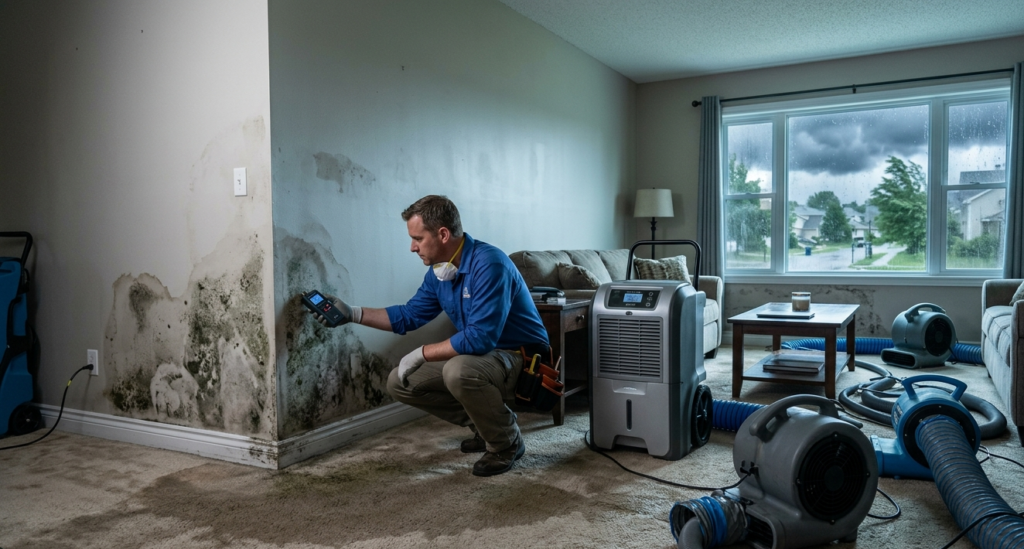
Water damage can turn your Little Rock home into a hidden hazard overnight, especially when mold enters the picture. Imagine returning from a stormy day to find soggy carpets and walls, only to realize that invisible spores are already multiplying. This is a common nightmare for homeowners in our humid Arkansas climate, where moisture lingers and fosters rapid mold development. At Little Rock AR Water Damage, we’ve responded to countless calls from families in neighborhoods like Park Hill dealing with burst pipes or flood aftermath, watching small leaks escalate into major mold invasions. In this post, we’ll break down exactly how quickly mold takes hold after water exposure, why it happens so fast, and what you can do to stop it. Armed with this knowledge, you’ll be better equipped to protect your property and health before it’s too late.
How Quickly Does Mold Begin Growing After Water Damage?
Mold is a fungus that thrives in damp, warm environments, and water damage provides the perfect breeding ground. The core question—how fast does mold start after water damage?—has a straightforward yet alarming answer: it can begin as early as 24 to 48 hours. This timeline isn’t arbitrary; it’s driven by the biology of mold spores, which are ubiquitous in the air we breathe. When water infiltrates your home, whether from a leaky roof, overflowing toilet, or severe storm, it saturates porous materials like drywall, wood, and insulation. These surfaces retain moisture, creating an ideal humidity level above 60% that mold needs to germinate.
To understand why this happens so rapidly, consider the mold life cycle. Spores land on wet surfaces and, within hours, start absorbing water through their hyphae—tiny thread-like structures. Germination kicks off around the 24-hour mark if conditions are right, with visible growth appearing by day two. Factors like temperature play a huge role; in Little Rock’s mild winters and steamy summers, average indoor temps of 70-80°F accelerate this process. High humidity from our local weather exacerbates it, turning a minor spill into a colony outbreak.
Here’s a breakdown of the key stages in bullet points for clarity:
- 0-24 Hours: Initial Absorption – Water soaks in, spores activate but aren’t visible yet. Humidity spikes, setting the stage.
- 24-48 Hours: Germination Phase – Mold hyphae penetrate surfaces; faint musty odors may emerge as spores multiply.
- 48-72 Hours: Visible Growth – Black, green, or white patches appear on walls or ceilings, signaling active infestation.
- Beyond 72 Hours: Spread and Damage – Colonies expand, releasing more spores into the air, potentially affecting HVAC systems and health.
In our experience at Little Rock AR Water Damage, we’ve seen mold double in size every 24 hours in untreated areas, leading to structural weakening and respiratory issues for residents. Technical terms like ‘mycelium’ (the root-like network) or ‘conidia’ (spores) sound complex, but they’re just nature’s way of exploiting neglect. Ignoring the ‘why’ behind this speed—poor ventilation, unsealed cracks, or delayed drying—means risking costly remediation later. For instance, in older homes common around Foxcroft, outdated materials absorb water faster, shortening the window even more.
This rapid onset underscores the urgency of water damage response. Delaying extraction allows mold to embed deeply, complicating removal and increasing airborne risks. By grasping these mechanics, you’re empowering yourself to act before the problem spirals.
Actionable Steps to Prevent and Address Mold After Water Damage
Knowing how fast mold starts after water damage is only half the battle; taking swift, practical steps is what saves your home. Start by assessing the damage immediately—don’t wait for insurance adjusters if safety is at stake. Remove standing water using wet vacuums or pumps, and ventilate the area with fans and dehumidifiers to drop humidity below 50%. In Little Rock, our frequent thunderstorms mean basements and crawl spaces are prime targets, so prioritize these during cleanup.
Local factors influence your approach here. Arkansas’s clay-heavy soils lead to poor drainage around foundations, worsening water intrusion in areas like Rock Creek. Housing types vary too—from mid-century ranch styles in Prospect Terrace to modern builds—so tailor your efforts. For example, in humid conditions, use EPA-approved antimicrobial treatments on affected surfaces to inhibit growth.
Follow this step-by-step guide:
- Isolate the Area: Seal off wet zones with plastic sheeting to prevent spore spread.
- Extract Water: Use professional-grade equipment if possible; for minor incidents, shop vacs work in a pinch.
- Dry Thoroughly: Aim for complete drying within 48 hours—run fans 24/7 and open windows on dry days.
- Clean and Disinfect: Scrub non-porous surfaces with a bleach solution (1 cup bleach per gallon of water), but discard porous items like soaked carpets.
- Monitor and Test: Use a moisture meter to check levels; consider air quality tests if odors persist.
Pro Tip: An insider secret from our team: Always check your air duct cleaning needs post-water damage. Mold loves HVAC systems in Little Rock’s variable climate, and cleaning them early prevents recirculation of spores throughout your home—saving you from a full-system overhaul later.
If the damage involves fire or storm elements, integrate specialized services like emergency storm cleanup to address combined risks. For businesses or clinics, ensure compliance with local health codes, which demand faster response times. These actions not only halt mold but also preserve your property’s value in our real estate market.
Common Mistakes Homeowners Make with Mold After Water Damage
When water damage hits, panic often leads to errors that amplify mold risks. One big mistake is underestimating the timeline—thinking a ‘small’ leak can wait a day or two. But as we’ve covered, mold starts in 24-48 hours, turning a $500 fix into $5,000+ in remediation, plus potential health claims from allergic reactions or asthma flares.
Another pitfall: DIY drying without proper tools. Homeowners grab a few fans, but without industrial dehumidifiers, moisture lingers in walls, fostering hidden mold. In Little Rock’s damp environment, this invites secondary issues like wood rot, weakening structures and inviting pests. Safety risks escalate too—ignoring electrical hazards near water can cause fires, while inhaling spores leads to chronic issues, especially for kids or the elderly.
Overlooking hidden spots is common; people clean visible areas but miss attics or behind drywall, allowing mold to spread undetected. Financially, skipping professional assessment means surprise mold discoveries during home sales, tanking value by 10-20%. Businesses face downtime and liability if asbestos abatement is needed in older buildings.
Finally, using bleach everywhere is a myth—it’s ineffective on porous surfaces and can create toxic fumes. These blunders not only delay recovery but expose you to long-term dangers, from structural collapse to medical bills. Learning from them keeps your Little Rock property safe.
Wrapping Up: Act Fast to Stop Mold in Its Tracks
In summary, mold can start growing after water damage in as little as 24-48 hours, driven by moisture, warmth, and spores. Understanding the timeline, following practical drying and cleaning steps, and avoiding pitfalls like delayed action are key to prevention. Local Little Rock factors, from humid weather to housing styles, make vigilance essential.
If this feels overwhelming or the damage is extensive, you don’t have to handle it alone. At Little Rock AR Water Damage, our certified team specializes in rapid response to protect homes across the area. We’ve helped countless families restore peace of mind—learn more about our expertise on our About Us page. Need help with how fast does mold start after water damage? in Little Rock? Call Little Rock AR Water Damage today at (501) 232-9682.
Leave a Reply