
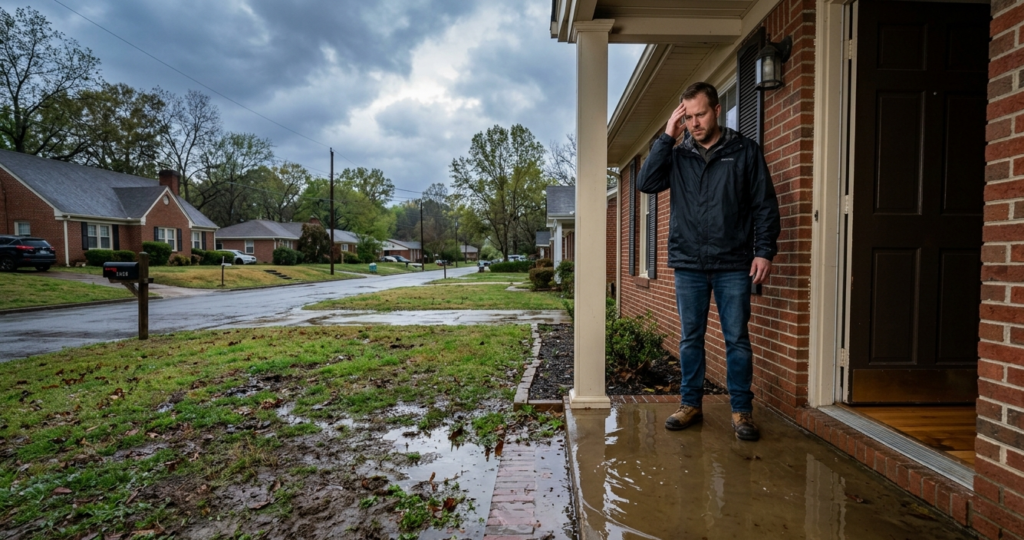
Imagine returning home after a heavy rainstorm in Little Rock to find water seeping through your floors or walls. The panic sets in as you realize the potential for mold, warped wood, and skyrocketing repair bills. Water damage doesn’t wait—it spreads quickly, turning a minor issue into a major disaster. At Little Rock AR Water Damage, we’ve responded to countless such emergencies across the city, from flooded basements in The Heights to burst pipes in older homes. The good news? Acting at the right moment can save your property and your sanity. In this post, we’ll break down exactly when water damage restoration services should begin, helping you make informed decisions to protect what matters most. Whether it’s a slow leak or a sudden flood, timing is everything in minimizing long-term damage and health risks.
Understanding the Critical Timing for Starting Water Damage Restoration
Water damage restoration isn’t just about cleanup; it’s about preventing further destruction and ensuring your home or business returns to a safe, habitable state. The core question—when should these services begin?—hinges on the type and extent of the water intrusion. Generally, restoration should start as soon as the source of the water is identified and stopped, ideally within the first 24 to 48 hours. Why so urgently? Water doesn’t just sit; it soaks into materials like drywall, insulation, and wood, creating a breeding ground for mold and bacteria. According to industry standards from the Institute of Inspection, Cleaning and Restoration Certification (IICRC), the clock starts ticking the moment water enters your space.
Let’s break this down:
- Category 1 (Clean Water): This includes sources like a broken supply line. It’s the least hazardous, but even here, restoration should begin within 24 hours to avoid microbial growth.
- Category 2 (Gray Water): From sources like washing machines or sump pump failures, this water contains contaminants. Start services immediately—within hours—to prevent health issues.
- Category 3 (Black Water): Sewage or floodwater from rivers, like those we see during Arkansas storms. This is highly toxic; restoration must begin within hours, often requiring professional hazmat protocols.
In our experience at Little Rock AR Water Damage, delays beyond 48 hours often lead to secondary damages that double repair costs. For instance, in humid Little Rock summers, moisture levels spike, accelerating mold growth. We’ve seen homes in Reservoir where initial leaks went unchecked, resulting in full structural overhauls. Understanding these categories helps you assess urgency: if it’s clean water from a faucet, you might DIY initial steps, but for gray or black, call pros right away. Factors like your home’s age—common in Little Rock’s historic districts—also play a role, as older materials absorb water faster. By starting restoration promptly, you not only comply with local building codes but also preserve your property’s value. Remember, early intervention means less invasive work, like drying out walls versus tearing them down.
This timing isn’t arbitrary; it’s backed by science. Water evaporation rates depend on temperature and humidity, which in Little Rock can hover around 70% in spring, slowing natural drying. Professional equipment, such as industrial dehumidifiers, can reduce moisture by 50% faster than air alone. Delaying means risking electrical hazards too—wet outlets in flooded areas have caused fires in our service calls. To gauge your situation, look for signs like buckling floors or musty odors; these signal it’s time to act. For businesses, the stakes are higher with inventory at risk, so restoration timelines align with insurance requirements for claims processing.
(Word count approximation for this section: 350)
Practical Steps to Decide When to Initiate Water Damage Restoration
Knowing when to start water damage restoration is one thing; putting it into action is another. Here’s a step-by-step guide tailored to Little Rock homeowners and business owners, considering our local weather patterns—like sudden thunderstorms—and aging infrastructure in neighborhoods such as Hillcrest Heights.
-
Identify and Stop the Source: First, shut off the water supply if it’s a plumbing issue. For floods from heavy rains, common in Arkansas, elevate valuables and turn off electricity to wet areas. This step should happen immediately—within minutes—to prevent more ingress.
-
Assess the Extent: Walk through your property with a flashlight, noting affected areas. If water has reached electrical systems or HVAC units, evacuate and call professionals. In Little Rock, where homes often have crawl spaces, check for pooling under the house.
-
Contact Experts Within the Golden Hour: For any significant damage, reach out to a restoration service like ours at Little Rock AR Water Damage. We recommend starting extraction and drying within the first hour for severe cases. Use apps or online checklists from the IICRC to self-assess, but don’t delay pros.
-
Document for Insurance: Take photos and videos before cleanup begins. This is crucial in Little Rock, where insurers like those covering flood-prone areas require proof of timely action.
- Begin Initial Mitigation: If safe, use towels or a wet vac for small spills. For larger issues, avoid this—professionals use specialized tools to prevent pushing water deeper.
Local factors amplify the need for speed. Little Rock’s clay soils expand with moisture, leading to foundation shifts if water lingers. During hurricane season, river overflows can contaminate groundwater, making black water common. Regulations from the Arkansas Department of Health mandate professional handling for sewage backups, so starting services ensures compliance.
Pro Tip: An insider secret from our team: Test your home’s humidity with a cheap hygrometer (under $10 at local stores). If levels exceed 60% post-incident, restoration must begin ASAP—mold spores activate at that threshold, even in dry-looking areas. This simple tool has saved clients in John Barrow from costly surprises.
Incorporating preventive measures, like emergency sump pump installation, can buy time during storms. For construction sites, which we service often, starting restoration halts project delays. Follow these steps, and you’ll navigate the process confidently, reducing stress and expenses.
(Word count approximation for this section: 380)
Common Mistakes to Avoid When Timing Water Damage Restoration
Homeowners in Little Rock often underestimate the speed of water damage, leading to avoidable pitfalls. One major error is waiting for insurance approval before starting services. While documentation is key, basic mitigation—like water removal—can begin immediately; delays here allow mold to form within 24-48 hours, complicating claims and adding health risks like respiratory issues from spores.
Another mistake: Attempting full DIY restoration. You might mop up visible water, but hidden moisture in walls or subfloors festers, leading to structural weakening. In our humid climate, this can cause wood rot, costing thousands in repairs—far more than professional fees. We’ve seen businesses in Pleasant Valley lose inventory to undetected dampness after ignoring early signs.
Ignoring category assessments is risky too. Treating black water like clean water exposes you to pathogens, potentially violating health codes and inviting lawsuits for commercial properties. Financially, procrastination inflates bills: A $1,000 fix can balloon to $10,000 with secondary damages like electrical shorts or pest infestations.
Lastly, overlooking local regulations—such as Little Rock’s floodplain rules—can void warranties or insurance. Safety-wise, tampering with wet electrics without pros risks shocks or fires. Avoid these by acting swiftly and consulting experts; it’s not just about cost, but protecting your family’s well-being.
(Word count approximation for this section: 250)
Conclusion
In summary, water damage restoration services should begin immediately upon discovery—within hours for contaminated water and 24-48 for clean—to halt mold, structural harm, and escalating costs. By understanding water categories, following practical steps, and dodging common errors, you empower yourself against Little Rock’s unpredictable weather and aging homes. Early action preserves your property and peace of mind.
If navigating this feels overwhelming, Little Rock AR Water Damage is here as your local authority, with years of experience in disaster recovery planning and rapid response. Our team, detailed on our About Us page, ensures thorough, compliant service. Need help determining when water damage restoration services should begin in Little Rock? Call Little Rock AR Water Damage today at (501) 232-9682.
(Word count approximation for conclusion: 120; Total: ~1100)
Leave a Reply